
10 Real Foods That Support Cellular Health and Slow Ageing
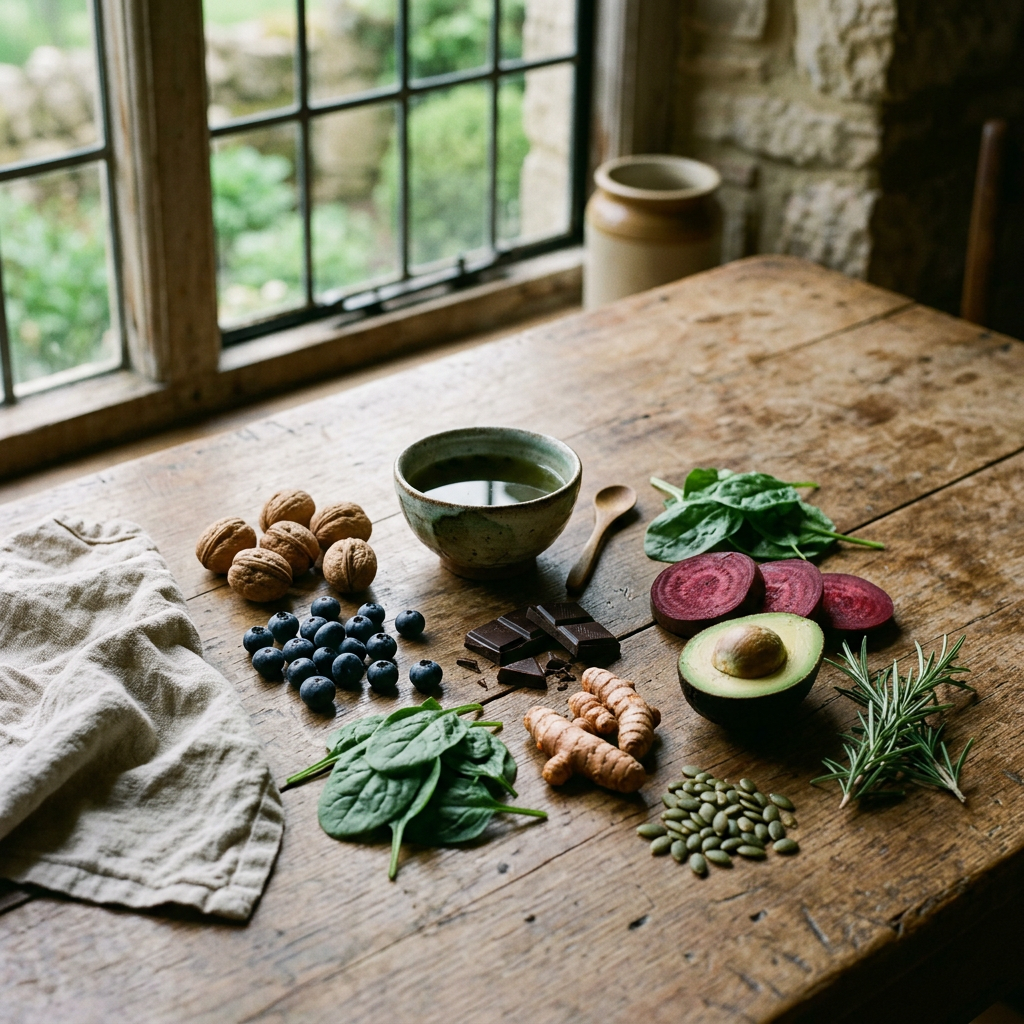
There is a great deal of noise in the nutrition space about superfoods, supplements, and protocols that promise extraordinary results. Most of it doesn’t survive contact with the evidence. What does survive — what the peer-reviewed research consistently points to — is a smaller, more specific set of foods with well-characterised mechanisms of action at the cellular level. Not foods that are vaguely “good for you”. Foods that work on your DNA.
The following ten foods are drawn directly from the Younger You protocol — the most rigorously evidenced dietary intervention for biological age reversal in existence, tested in a randomised controlled trial published in Aging (Cell Press) in 2021 and a women’s case series in 2023. Each one has a specific biological mechanism. Understanding why they work makes it far easier to be consistent with them.
1. Dark leafy greens — the methylation foundation
Spinach, kale, Swiss chard, and rocket are among the richest dietary sources of folate — the food-based form of vitamin B9. Folate is an essential methyl donor: it donates methyl groups (CH₃) to the methylation cycle, where they are used to maintain the DNA methylation patterns that regulate biological age. Without adequate folate, methylation patterns drift, genes that should be silenced become active, and the biological clock accelerates.
Critically, the research makes an important distinction between food-based folate and synthetic folic acid supplements. The B-PROOF trial — a 2-to-3-year intervention study — found that supplementing with high-dose folic acid was associated with a 25% increased cancer risk and a 77% increased colorectal cancer risk. Food-based folate, by contrast, is consistently associated with protective effects. Aim for two large handfuls of dark leafy greens daily. For the wider context on how nutrition relates to DNA methylation, see methylation explained.
2. Beetroot — betaine and the methylation cycle
Beetroot is one of the most concentrated dietary sources of betaine (trimethylglycine), a compound that donates methyl groups directly to the methylation cycle via the BHMT pathway — a parallel route that operates independently of folate. This makes it particularly valuable: if the folate-dependent methylation pathway is under any kind of stress, betaine provides an alternative route to keep the cycle running. Beetroot also contains nitrates that support cardiovascular function, and betalain pigments with meaningful anti-inflammatory activity. Raw, roasted, or juiced — all forms count.

3. Eggs — choline and the full methylation picture
Eggs are one of the richest dietary sources of choline — a nutrient that is chronically under-consumed and critically important for methylation. Choline is converted to betaine in the liver, feeding the same methylation pathway as dietary betaine. It is also a precursor to acetylcholine, the neurotransmitter most associated with memory and cognitive clarity. The yolk contains the choline — one whole egg provides roughly 150 mg, against a recommended intake of around 425–550 mg per day. Two eggs at breakfast makes a meaningful contribution. If cognitive changes are on your mind, this perimenopause brain fog audit also considers sleep and stress alongside food.
4. Liver — the most nutrient-dense food on the protocol
Liver is arguably the single most concentrated source of methylation cofactors available from food: it is extraordinarily rich in folate, B12, choline, vitamin A, zinc, and copper. The original Younger You protocol includes liver specifically because of this density. If the idea is genuinely unpalatable, desiccated liver capsules are a reasonable alternative — but for those willing, even a small serving once a week provides a meaningful top-up of every key methylation nutrient simultaneously.
5. Green tea — EGCG and the methyl adaptogens
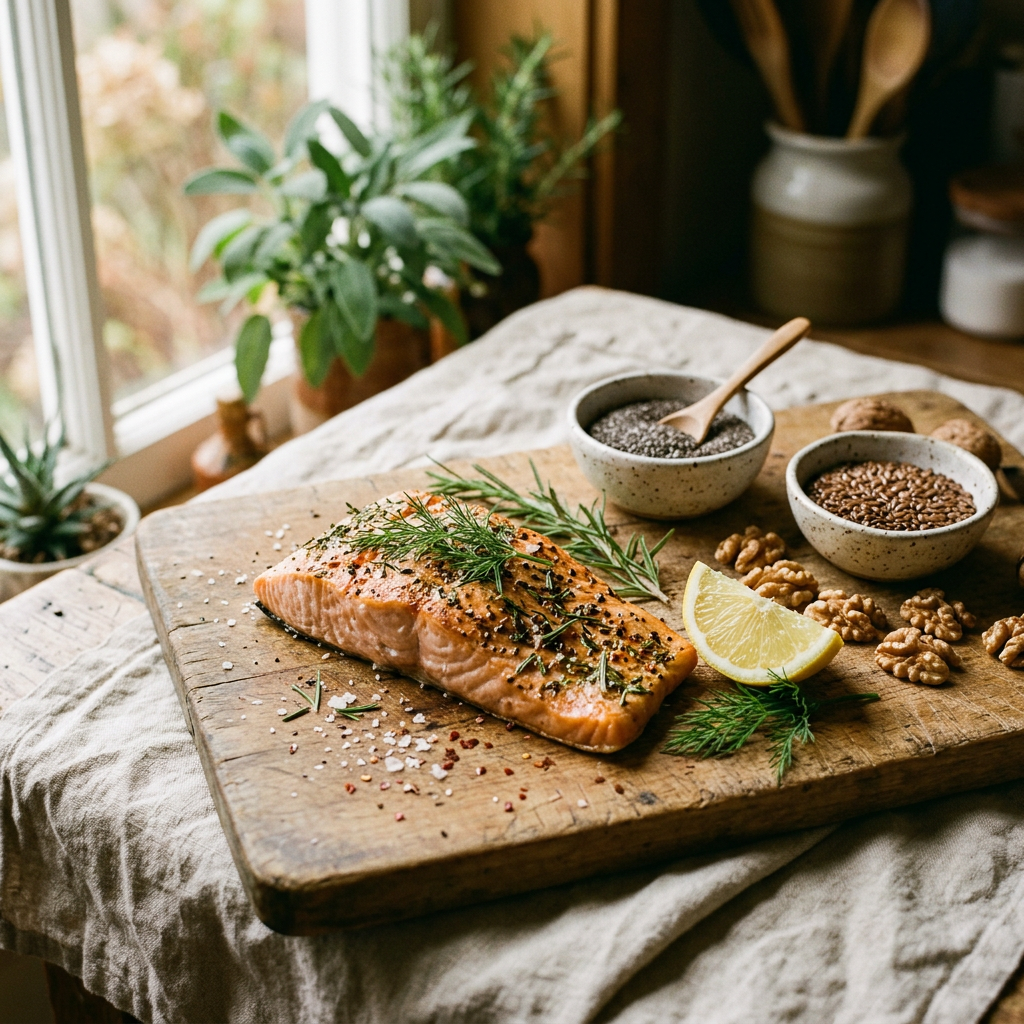
Green tea contains epigallocatechin-3-gallate (EGCG) — one of the most studied polyphenolic compounds in the context of epigenetic regulation. EGCG is a DNMT inhibitor: it modulates the enzymes that control where methyl groups attach to DNA, influencing methylation patterns in ways that have been associated with reduced cancer risk, improved metabolic markers, and measurable biological age effects. The 2025 secondary analysis of the Younger You data found that “methyl adaptogen” polyphenol-rich foods — of which green tea is the most important — explained 44% of outcome variability. Two to three cups daily is the evidence-based dose.
6. Turmeric — curcumin and DNMT modulation
Curcumin, the active compound in turmeric, is another well-characterised DNMT inhibitor with additional anti-inflammatory activity via NF-κB pathway suppression. Chronic low-grade inflammation is one of the most consistent drivers of accelerated biological ageing — often called “inflammageing” — and curcumin addresses it through multiple mechanisms simultaneously. Bioavailability is significantly enhanced by black pepper (piperine increases absorption by up to 2,000%) and by fat, so turmeric works best in a cooked dish with both present. Golden milk, dhal, roasted vegetables with turmeric and black pepper — all count.
7. Mixed berries — quercetin and polyphenol density
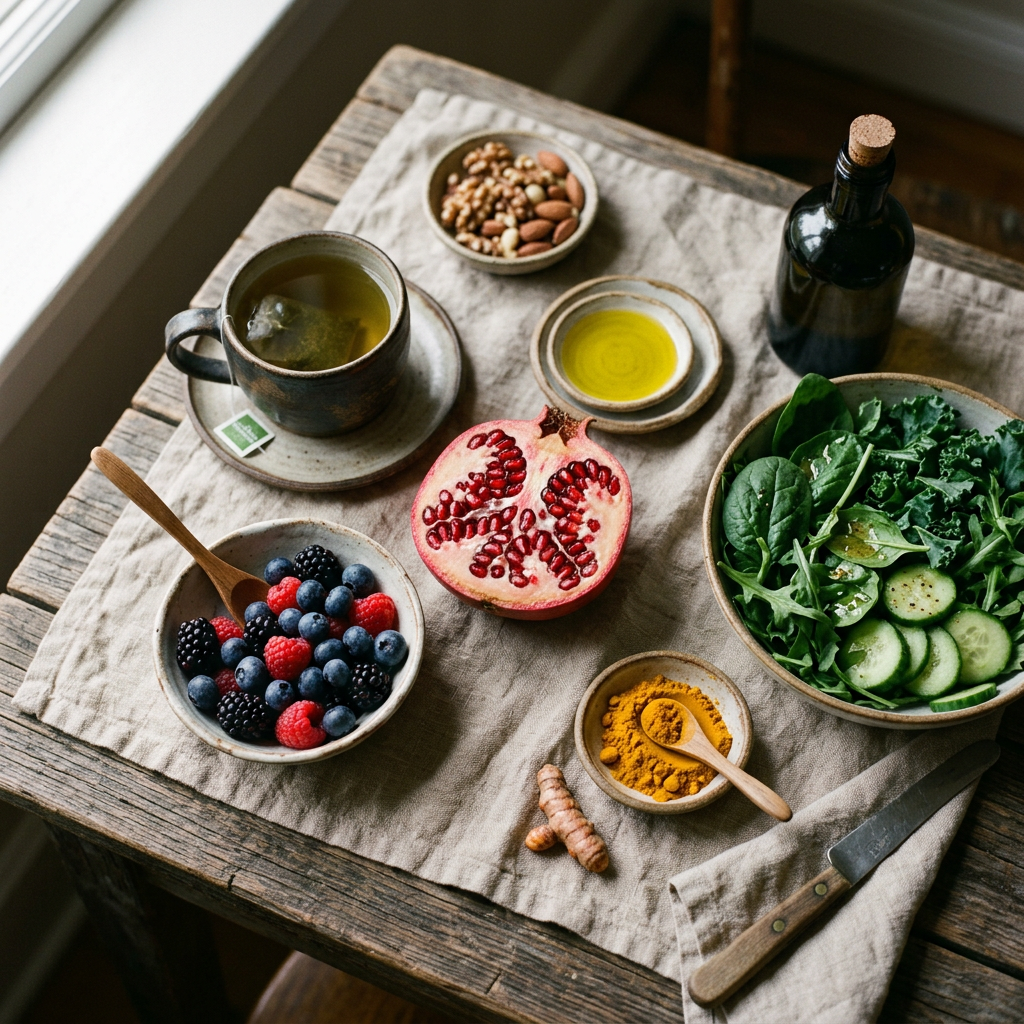
Blueberries, raspberries, and strawberries are among the most polyphenol-dense foods available, providing quercetin, anthocyanins, and ellagic acid — all of which have demonstrated epigenetic activity. Quercetin in particular is a TET enzyme activator: it supports the demethylation side of the equation, helping to remove incorrectly placed methyl tags and reposition methylation patterns toward a younger biological profile. Berries also support the estrobolome (the gut bacteria responsible for oestrogen metabolism) through their prebiotic fibre and polyphenol content.
8. Rosemary — rosmarinic acid and HDAC inhibition
Rosemary contains rosmarinic acid — an HDAC (histone deacetylase) inhibitor. HDAC inhibition is a distinct epigenetic mechanism from DNMT inhibition: rather than affecting DNA methylation directly, it modulates histone acetylation, influencing how tightly DNA is packaged and therefore which genes can be accessed. The practical implication is that rosemary and EGCG from green tea are synergistic — they work on different parts of the epigenetic machinery. A sprig of fresh rosemary in cooking, rosemary tea, or rosemary-infused olive oil — all provide meaningful amounts.
9. Pumpkin seeds — zinc, magnesium and methylation support
Pumpkin seeds are one of the most nutrient-dense small foods available: rich in zinc (essential for DNA methyltransferase enzyme function), magnesium (a cofactor for over 300 enzymatic reactions including methylation), and plant-based omega-3 fatty acids. Zinc deficiency is common in midlife women and directly impairs the enzymes that maintain healthy DNA methylation. A small handful of pumpkin seeds daily — on porridge, in salads, as a snack — contributes meaningfully to both methylation support and gut barrier integrity.
10. Extra virgin olive oil — oleocanthal and cellular protection
Extra virgin olive oil contains oleocanthal — a compound with similar anti-inflammatory activity to ibuprofen, acting on the same COX-1 and COX-2 pathways — as well as oleuropein and hydroxytyrosol, two polyphenols with demonstrated effects on DNA methylation and oxidative stress. The Mediterranean diet’s association with longevity is substantially explained by olive oil: it is one of the few foods for which the epidemiological evidence, mechanistic evidence, and interventional trial evidence are all pointing in the same direction. Use it generously — on vegetables, in dressings, for cooking at moderate temperatures.

How to use this list
These ten foods work best not as occasional additions but as daily anchors — what the Younger You protocol calls the “Daily 8” (with some combining here for simplicity). The research shows that 81.7% adherence across an 8-week period — conducted during the Christmas holidays — was sufficient to produce an average biological age reduction of 4.6 years in women aged 46–65. That is not perfection. That is a consistent, sustainable daily practice built around real food.
If you want a structured programme that builds these foods into an evidence-based 8-week protocol — complete with weekly video lessons, workbooks, recipes, a tracking app, and guided support — The Cellular Reset is open for enrolment now.
Free Assessment
What is your biological age?
Most women in perimenopause are ageing faster than their chronological age suggests. The free Bio Age Assessment takes three minutes and gives you a personalised starting point — based on your lifestyle, not a blood test.
Related reading
For more on midlife health, read about sleep architecture in perimenopause and eating with changing appetite across the cycle.


