
Diet quality and cancer: what the trial data shows
Most conversations about food and cancer land in one of two camps: either diet has almost no impact on disease outcomes, or it’s a complete cure if you get it “right.” The evidence, as usual, sits somewhere in between — and it’s far more hopeful than the first camp suggests.
Over the past five years, we’ve seen robust, well-designed studies examining what people actually eat and how it affects cancer survival and recurrence risk. The clearest finding: diet quality matters significantly, and specific dietary patterns have been linked to meaningfully better outcomes.
What the research shows
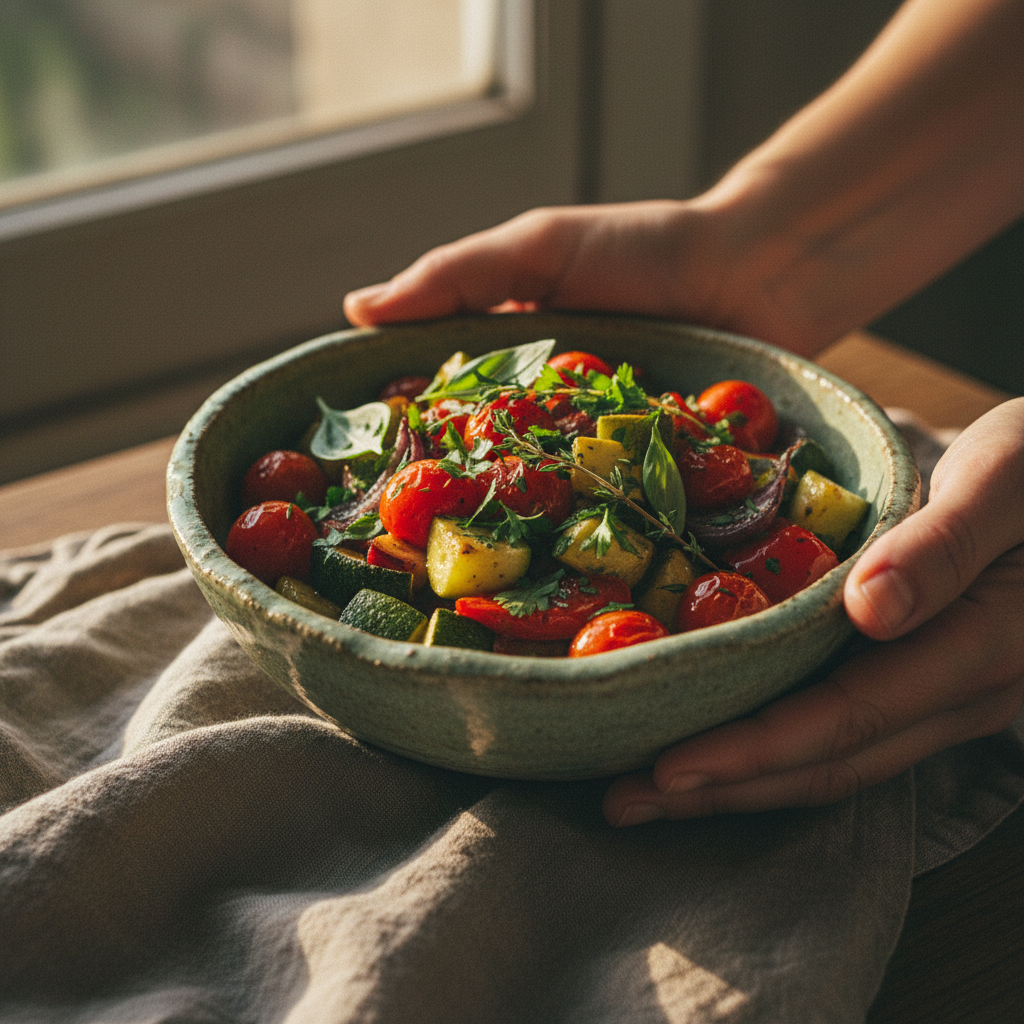
A systematic review and meta-analysis published in Nutrients in 2022 looked at dietary patterns and cancer prognosis across multiple cancer types and outcome measures. The consistent pattern was clear: higher-quality diets — characterised by abundant vegetables, fruits, whole grains, and legumes, with less processed food and refined carbohydrates — were associated with improved survival outcomes and lower recurrence risk.
The Women’s Health Initiative undertook a landmark analysis (published in JAMA in 2024) examining dietary patterns in over 15,000 women. The data showed that a diet lower in fat and higher in vegetables and whole grains was associated with reduced risk of cancer-related mortality, particularly in women with pre-existing disease.
For colorectal cancer specifically, a 2021 systematic review in Nutrients examined the evidence linking dietary composition to prognosis. The findings were sobering: processed red meat, refined carbohydrates, and alcohol consumption were linked to poorer outcomes, whilst fibre-rich foods and a Mediterranean-style pattern were protective.
What’s particularly interesting is the mechanism. We’re not talking about vague effects — these diets tend to be lower in foods that spike blood sugar rapidly (as discussed in part two of this series on insulin resistance), higher in anti-inflammatory compounds, and richer in the micronutrients required for DNA repair and cellular resilience. They also tend to support a healthier gut microbiome, which itself influences immune function and systemic inflammation.
The Mediterranean pattern — the strongest evidence
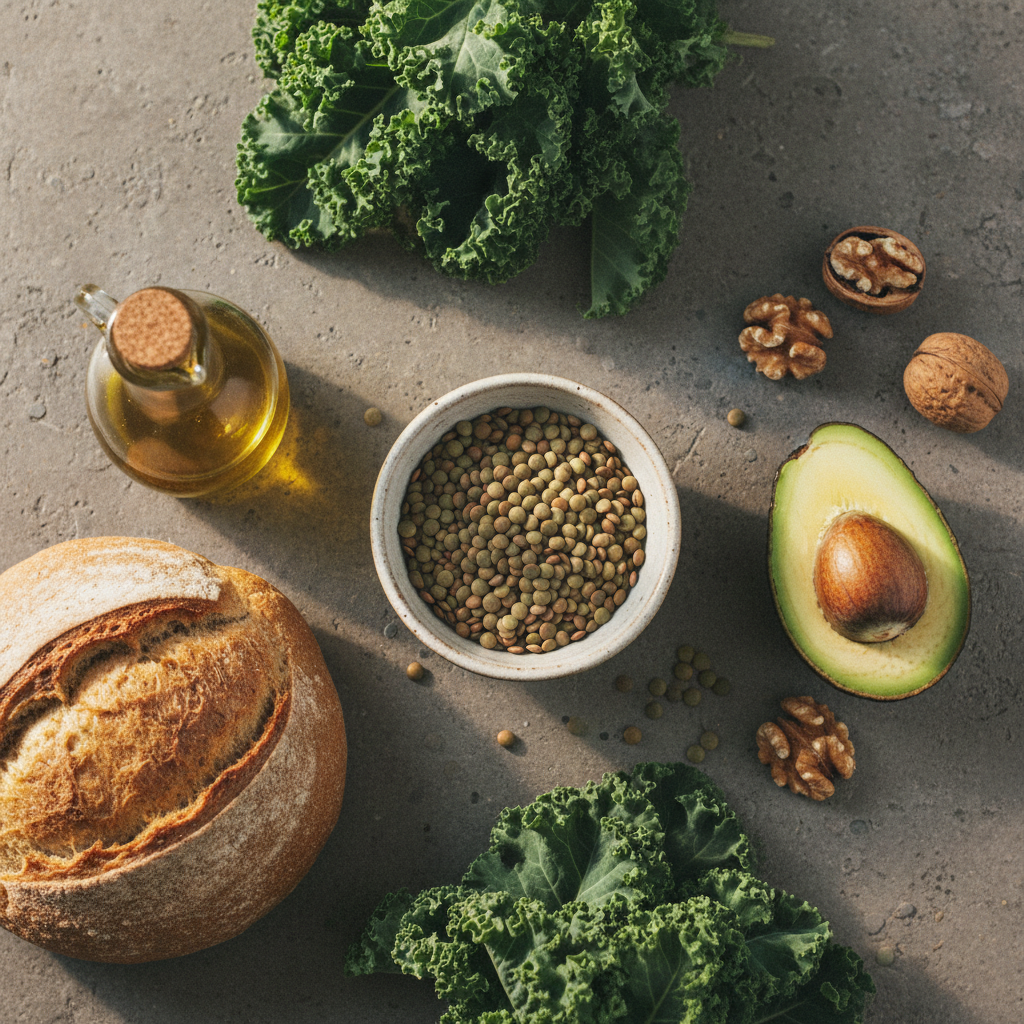
The most consistently researched dietary pattern in cancer populations is the Mediterranean diet: olive oil, fish, whole grains, legumes, nuts, and an abundance of vegetables. A 2023 analysis in Experimental Gerontology examined data from the DIRECT PLUS trial — a randomised controlled trial of 256 participants over 18 months. The Green-Mediterranean variant of the diet, which is plant-forward with even higher polyphenol density, was associated with approximately 8.9 months of biological age attenuation, as measured by epigenetic markers.
That’s not metaphorical — it’s a measurable slowing of cellular ageing. The same DIRECT PLUS data was subsequently published with further biological analysis in BMC Medicine (2023), and the epigenetic age findings held. For people concerned about cancer risk or managing health after treatment, that kind of shift in ageing rate could have real long-term implications.
The 2023 European Heart Journal review on plant-based diets also noted meaningful reductions in all-cause mortality risk associated with vegetarian and vegan patterns. The caveat: these are predominantly observational data. They show strong associations, but they cannot tell us definitively that the diet is causing the benefit. Still, when the association is consistent, dose-dependent, and biologically plausible, it becomes increasingly difficult to dismiss.
What this means in practice
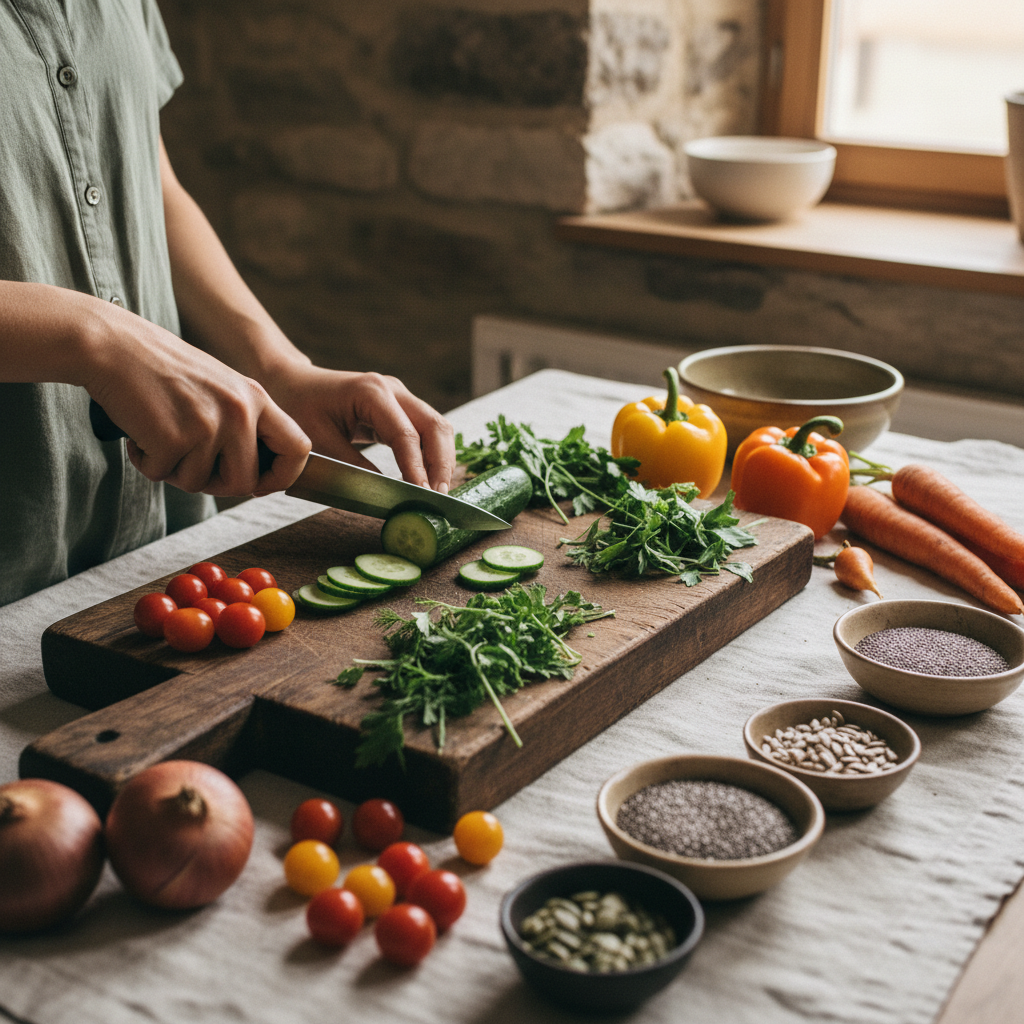
If you’re choosing a diet with cancer prevention or survival in mind, the evidence points toward some clear priorities.
Prioritise whole foods. Vegetables, fruits, legumes, whole grains, nuts, and seeds should form the foundation of most meals. Aim for colour and variety — different plant pigments offer different protective compounds, and no single food provides everything.
Limit processed food. Processed meats, ultra-refined carbohydrates, and foods high in added sugars are consistently linked to worse outcomes across the studies. This isn’t about perfectionism; it’s about making these foods the exception rather than the pattern.
Choose healthy fats. Olive oil, nuts, seeds, and oily fish are anti-inflammatory and nutrient-dense. Within a whole-foods dietary pattern, they are protective rather than a risk factor.
Watch alcohol intake. The research on alcohol and cancer is unambiguous. The International Agency for Research on Cancer classifies alcohol as a potent carcinogen regardless of dose. Whilst the risk is dose-dependent, there is no evidence of a genuinely “safe” threshold. If you drink, less is demonstrably better. Post six in this series covers the IARC position in full.
Consider fibre seriously. Fibre supports a healthy and diverse gut microbiome, which influences immune function and systemic inflammation — both relevant to cancer biology. Most people fall well short of the recommended 30g daily. Whole grains, legumes, vegetables, and seeds are practical ways to close that gap.
Don’t chase a single “superfood.” The benefit in all of these studies comes from the overall dietary pattern, not from any one ingredient. A diet built on whole foods will contain thousands of bioactive compounds working in concert; no supplement or isolated nutrient can replicate that complexity.
What the evidence does not yet show
We have strong evidence that diet quality is associated with better cancer outcomes. We have considerably less robust evidence about which specific dietary approaches — vegan, Mediterranean, low-carbohydrate — are superior for cancer populations specifically. Most of the mechanistic work on ketogenic and fasting approaches in people with established cancer has been conducted in small early-phase studies, not large randomised trials. That evidence will be examined in part five of this series.
We also don’t yet have long-term follow-up data on whether dietary changes made during cancer treatment (rather than before diagnosis) improve outcomes to the same degree. The Women’s Health Initiative and other large cohort studies capture dietary patterns over time, but disentangling timing, duration, and type of change remains methodologically complex.
And here’s what’s important to hold clearly: diet is one variable among many. Exercise, sleep, stress management, and medical treatment all matter significantly. A whole-foods diet won’t override other risk factors in isolation, nor will dietary imperfection cause cancer when every other element of someone’s health is well managed. But within a comprehensive approach, what you eat genuinely matters — and the evidence for that is now substantial.

The bottom line
The evidence that diet quality influences cancer risk and survival outcomes is now robust enough to act on. If you’re making dietary choices with cancer prevention or post-diagnosis health in mind, the research consistently points toward a whole-foods-based pattern: rich in plants, low in processed food, moderate in healthy fats, and low in alcohol. This is not an exotic or restrictive way of eating — it is the same pattern linked to better outcomes across cardiovascular disease, type 2 diabetes, and cognitive decline. It’s sensible eating, well supported by science.
Scientific references
- Dietary patterns and cancer prognosis: systematic review and meta-analysis. Nutrients, 2022. PMID: 35057525.
- Dietary patterns and cancer mortality in the Women’s Health Initiative. JAMA, 2024. DOI: 10.1186/s12933-024-02122-4.
- Dietary factors and colorectal cancer prognosis: systematic review. Nutrients, 2021. DOI: 10.3390/nu13010143.
- Green-Mediterranean diet and biological age attenuation: DIRECT PLUS trial. BMC Medicine, 2023. DOI: 10.1186/s12916-023-03067-3. 256 participants, 18 months.
- Mediterranean diet, obesity, and chronic disease. Experimental Gerontology, 2023. DOI: 10.1016/j.exger.2023.112121.
- Vegetarian and vegan diets: benefits and cardiometabolic drawbacks. European Heart Journal, 2023. DOI: 10.1093/eurheartj/ehad436.
- Alcohol, drinking pattern, and chronic disease risk. Nutrients, 2022. DOI: 10.3390/nu14091954.
This article is written for educational and informational purposes only. It is not intended as medical advice and should not be used to diagnose, treat, prevent, or cure any medical condition, including cancer. If you have a cancer diagnosis or are undergoing treatment, please discuss any lifestyle or dietary changes with your oncologist or medical team before making them. The studies cited reflect current research at the time of writing; the field is evolving rapidly and findings may be updated or superseded. Chloe Archard is a nutritional health coach, not a medical doctor.


